LEARN
Anxiety and Stress: Understanding the Overlap and Finding Everyday Calm
When stress runs high, anxious feelings often ride along — a racing mind, a tight chest, the sense of being on alert. This page is about that everyday overlap between stress and feeling anxious, and some simple ways to find calm.
First, an important note: if anxiety is affecting your daily life, your sleep, or your relationships, please talk to a doctor or a mental-health professional. This page is general education about the everyday anxious feelings that come with stress — it is not treatment for anxiety as a health condition, and it isn't a substitute for professional care.
Dr. Mark Halpern speaks about this from experience: he lived with anxiety himself for over 30 years, and during the first COVID lockdown he set about facing it — going back through every method he'd tried and keeping what worked. Those tools became his book and course, The Coherence Revolution. What he shares here is education and practical calming skills, offered from that experience.
Browse our vetted teachers and book your first lesson.
What you'll learn
- How everyday stress and anxious feelings tend to feed each other
- Simple breath-and-attention practices to steady yourself in the moment
- How settling the body first can help quiet a racing mind
- Small daily habits that support a calmer baseline
- How to tell everyday anxious feelings from something worth taking to a professional
- Where to turn for help if anxiety is affecting your daily life
Who it's for
People who notice stress tipping into worry or a racing mind, and anyone who wants practical, everyday calming tools. If anxiety is affecting your daily life, please see the note above — professional support is the right first step.
How stress and anxious feelings overlap
When the body is in a high-stress gear, the mind often runs to worry; for many people the two travel together — a busy day tips into a busy head, and a racing mind keeps the body on alert.
These are the everyday anxious feelings most people recognise: the pre-meeting nerves, the 3 a.m. spiral, the low hum of unease on a hard week. This page is about those — not about diagnosing or treating a condition.
Settling the body to quiet the mind
The approach Dr. Mark teaches starts with the body, not the thoughts. When you slow the breath and steady your attention — the coherence-style practice at the centre of his work — the body often eases down a gear, and for many people the racing mind settles with it.
It won't switch off worry on command, and it isn't a cure. But as a repeatable, in-the-moment skill, it gives you something to do with an anxious feeling other than wait it out.
When to reach for more support
If anxious feelings are persistent, intense, or affecting your sleep, work or relationships, that's the point to speak to a doctor or a mental-health professional. These practices sit alongside professional care — they never replace it.
And if you're finding it hard to cope, or you're having thoughts of harming yourself, please reach out for support right away. In Canada, you can call or text 9-8-8, the Suicide Crisis Helpline — free, confidential, and available 24/7. If you're outside Canada, look up your local crisis line. You don't have to get through a hard moment on your own.
Your instructor
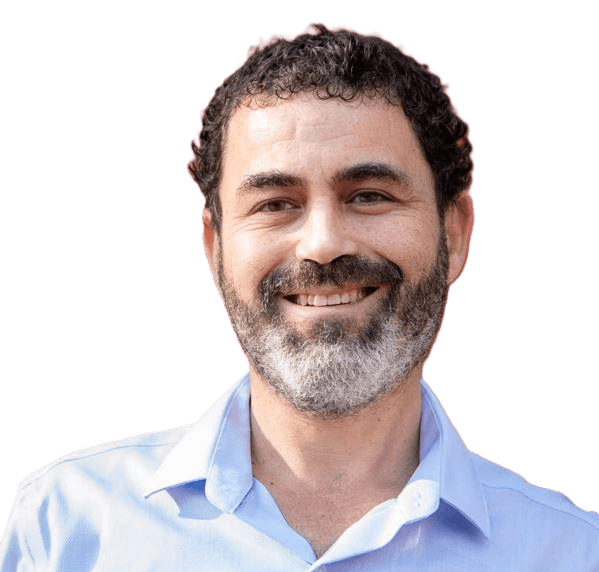
Dr. Mark Halpern
Workplace Wellness, Stress Physiology & Resilience
Dr. Mark Halpern is a chiropractor, author and lecturer who graduated from the Canadian Memorial Chiropractic College in Toronto in 1996 and has spent 30 years working with people of all ages — from children and exhausted parents to athletes, lawyers and retired teachers. He is a certified HeartMath practitioner and is also certified in PSYCH-K and Hoʻoponopono. Across his career, he has focused on one question: how stress shapes the way we feel, think and live, and what we can do about it. For over 30 years, Dr. Mark lived with anxiety himself. During the first COVID lockdown, he decided to face it head on. He went back through every book, method and practice he had tried, kept the tools that genuinely worked, and let go of the habits that didn't. That process became his book, **The Coherence Revolution: Finding Flow on Your Journey to the Present Moment**, a practical guide to self-regulation and self-inquiry. On Eduvek, Dr. Mark teaches how stress affects the body and mind — from posture and physical strain to burnout and anxiety — and gives students practical tools and a guided process to build resilience and learn to self-regulate their emotions. His approach is inspired by authors and mentors including Dr. Joe Dispenza, Dr. Bruce Lipton and Gregg Braden. Outside of teaching, he loves hiking, skiing, scuba diving, golf and cycling — especially challenges that keep him fully in the moment — and he's a guitar-playing music lover with a soft spot for Jerry Garcia and the Grateful Dead. *These courses support general wellbeing and stress management. They are not medical or psychological treatment and do not replace care from a doctor, psychologist or licensed therapist.*
View Mark's full profile →Frequently asked questions
Is this therapy for anxiety?
No. This is general education about the everyday anxious feelings that come with stress, plus practical calming skills. It isn't therapy or treatment for an anxiety disorder, and it doesn't replace care from a doctor or mental-health professional.
I feel anxious a lot — where should I start?
If anxious feelings are affecting your daily life, sleep or relationships, the right first step is a doctor or a mental-health professional. Alongside that, simple calming practices can help you feel steadier day to day.
Can breathing really help with anxious feelings?
For many people, slow breathing helps them feel calmer in the moment by settling the body. It's a general wellbeing tool, not a treatment, and works best as one part of a broader approach.
Did Dr. Mark experience anxiety himself?
Yes — he has spoken about living with anxiety for over 30 years, and about working through the methods he'd tried during the first COVID lockdown, keeping what helped. That became The Coherence Revolution. What he offers here is education and practical tools from that experience, not clinical treatment.
These pages are for general education and wellbeing. They are not medical or psychological treatment and do not replace care from a doctor, psychologist or licensed therapist.