LEARN
Coherence and HeartMath: What the Practice Involves
HeartMath is an approach, developed by the HeartMath organization, that centres on a state it calls coherence — bringing breathing, heart rhythm and attention into alignment, often using slow, heart-focused breathing. Its practitioners describe coherence as a calmer, more ordered state, and use heart-rate variability as a way to observe it.
Dr. Mark Halpern is a certified HeartMath practitioner, and these practices are part of how he works and what he teaches in The Coherence Revolution. This page explains what the method involves and how he uses it — offered as a practice he finds valuable, not as settled science.
Browse our vetted teachers and book your first lesson.
What you'll learn
- What HeartMath means by "coherence"
- The basic coherence-breathing practice (slow, heart-focused)
- How practitioners use heart-rate variability to observe the state
- How Dr. Mark uses these tools in his own practice and teaching
- How to try a short coherence practice yourself
- How to hold the ideas with healthy curiosity rather than certainty
Who it's for
People curious about HeartMath and coherence, anyone who wants a simple breathing-and-attention practice to try, and those who like to understand a method before adopting it. No experience needed.
What HeartMath means by coherence
In HeartMath's framework, coherence is a state in which breathing, heart rhythm and attention line up, typically reached through slow breathing with attention on the area of the heart. Practitioners describe it as feeling calmer and more focused, and they use heart-rate variability — the natural variation between heartbeats — as a signal that tracks with it.
It's worth being clear about the status of these ideas: HeartMath is a specific method with its own research and its own claims, and not everything it proposes is settled science. What's reasonable to say is that many people find the breathing practice calming and easy to use.
How Dr. Mark uses it
Dr. Mark is a certified HeartMath practitioner, and coherence breathing is one of the core tools he practises and teaches. He treats it as a practical skill — something you do for a few minutes and return to often — rather than a belief system.
In his teaching it sits alongside other self-regulation tools, and he's open that different people respond differently. The invitation is to try the practice and notice your own experience, not to take any claim on faith.
Your instructor
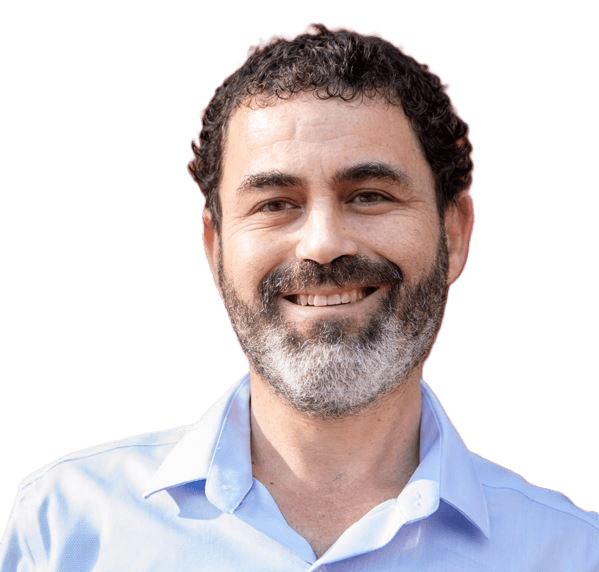
Dr. Mark Halpern
Workplace Wellness, Stress Physiology & Resilience
Dr. Mark Halpern is a chiropractor, author and lecturer who graduated from the Canadian Memorial Chiropractic College in Toronto in 1996 and has spent 30 years working with people of all ages — from children and exhausted parents to athletes, lawyers and retired teachers. He is a certified HeartMath practitioner and is also certified in PSYCH-K and Hoʻoponopono. Across his career, he has focused on one question: how stress shapes the way we feel, think and live, and what we can do about it. For over 30 years, Dr. Mark lived with anxiety himself. During the first COVID lockdown, he decided to face it head on. He went back through every book, method and practice he had tried, kept the tools that genuinely worked, and let go of the habits that didn't. That process became his book, **The Coherence Revolution: Finding Flow on Your Journey to the Present Moment**, a practical guide to self-regulation and self-inquiry. On Eduvek, Dr. Mark teaches how stress affects the body and mind — from posture and physical strain to burnout and anxiety — and gives students practical tools and a guided process to build resilience and learn to self-regulate their emotions. His approach is inspired by authors and mentors including Dr. Joe Dispenza, Dr. Bruce Lipton and Gregg Braden. Outside of teaching, he loves hiking, skiing, scuba diving, golf and cycling — especially challenges that keep him fully in the moment — and he's a guitar-playing music lover with a soft spot for Jerry Garcia and the Grateful Dead. *These courses support general wellbeing and stress management. They are not medical or psychological treatment and do not replace care from a doctor, psychologist or licensed therapist.*
View Mark's full profile →Frequently asked questions
Is HeartMath scientifically proven?
HeartMath is a method with its own body of research and its own claims, and not all of them are settled science. It's fair to say many people find the coherence-breathing practice calming and useful — which is how it's offered here, as a practice to try rather than a proven treatment.
Do I need a HeartMath device?
No. HeartMath sells devices that display heart-rate variability, and some people enjoy them, but the core breathing practice works without any equipment.
What does coherence feel like?
People describe it differently — often a bit calmer, steadier or more focused. The honest answer is that it varies, which is why the suggestion is to try it and notice your own response.
Is this a therapy for a health condition?
No. This is general wellbeing education about a breathing-and-attention practice. It isn't a treatment, and it doesn't replace care from a doctor, psychologist or licensed therapist.
Related topics
These pages are for general education and wellbeing. They are not medical or psychological treatment and do not replace care from a doctor, psychologist or licensed therapist.